Rhinoplasty Surgery: Everything You Need to Know About Nose Reshaping
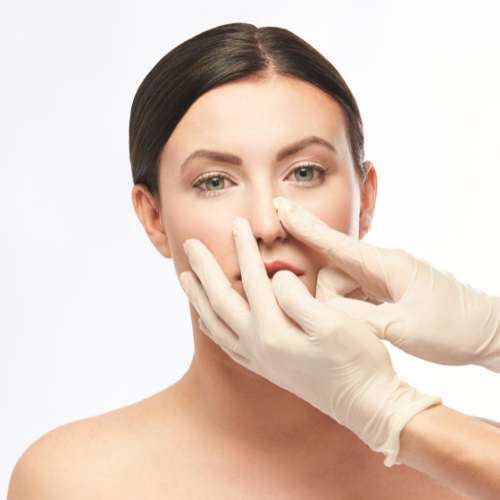
Rhinoplasty, commonly known as a nose job, is a cosmetic and reconstructive surgical procedure designed to reshape or correct the nose. It is one of the most popular plastic surgeries worldwide because it enhances facial harmony while also improving breathing problems in certain cases.
Whether performed for cosmetic reasons or medical needs, rhinoplasty can significantly boost confidence and quality of life.
What is Rhinoplasty Surgery?
Rhinoplasty is a surgical procedure that changes the shape, size, or structure of the nose. It may involve modifying the bone, cartilage, skin, or all three components. The goal is to improve appearance, correct deformities, or fix breathing issues caused by structural problems.
The procedure is performed by a qualified plastic surgeon or ENT specialist under local or general anesthesia, depending on the complexity of the surgery.
Types of Rhinoplasty
There are different types of rhinoplasty procedures based on the patient’s needs:
1. Cosmetic Rhinoplasty
This type focuses purely on improving the appearance of the nose. It may include reducing a hump, refining the nasal tip, straightening a crooked nose, or adjusting nostril size.
2. Functional Rhinoplasty
Functional rhinoplasty is performed to improve breathing problems caused by structural issues such as a deviated septum.
3. Reconstructive Rhinoplasty
This surgery restores the nose after trauma, injury, birth defects, or previous unsuccessful surgeries.
4. Revision Rhinoplasty
If a patient is not satisfied with the results of a previous nose surgery, revision rhinoplasty is performed to correct or enhance the outcome.
Who is a Good Candidate for Rhinoplasty?
You may be a good candidate if:
You are unhappy with the size or shape of your nose
You have breathing difficulties due to nasal structure
Your facial growth is complete (usually after age 16–18)
You are physically healthy
You have realistic expectations about the results
A detailed consultation with a surgeon is essential to determine suitability.
The Rhinoplasty Procedure
The surgery usually takes 1–3 hours. There are two main techniques:
Open Rhinoplasty – A small incision is made between the nostrils for better visibility and precision.
Closed Rhinoplasty – All incisions are made inside the nostrils, leaving no visible scars.
After reshaping the nasal structure, the skin is repositioned and the incisions are closed carefully.

Recovery and Results
Recovery typically takes 1–2 weeks for visible swelling and bruising to subside. However, minor swelling may take a few months to fully settle. Most patients can return to normal activities within two weeks.
Final results may take up to a year to become fully visible, as the nose gradually settles into its new shape.
Benefits of Rhinoplasty
Improved facial balance and harmony
Enhanced self-confidence
Better breathing function
Correction of birth defects or injury-related deformities
Risks and Considerations
Like any surgery, rhinoplasty carries some risks such as infection, bleeding, swelling, or dissatisfaction with results. Choosing an experienced and qualified surgeon greatly reduces complications.
Conclusion
Rhinoplasty surgery is a transformative procedure that can enhance both appearance and function. Whether you seek cosmetic improvement or medical correction, consulting a skilled specialist is the first step toward achieving safe and satisfying results.
If you are considering rhinoplasty, schedule a professional consultation to understand your options and create a personalized treatment plan.