Breast Implant Surgery: Procedure, Types, Benefits & Recovery Guide
Breast implant surgery, also known as breast augmentation, is a popular cosmetic procedure designed to enhance the size, shape, and fullness of the breasts. Many women choose this surgery to improve body proportions, restore breast volume after pregnancy or weight loss, or rebuild the breast after mastectomy. With advanced surgical techniques and modern implant options, breast implant surgery offers safe and natural-looking results when performed by a qualified plastic surgeon.
What is Breast Implant Surgery?
Breast implant surgery is a cosmetic procedure in which a surgeon places implants under the breast tissue or chest muscles to increase breast size and improve contour. The procedure is customized according to the patient’s body type, goals, and expectations.
Women may choose breast implants for cosmetic enhancement or reconstructive purposes following breast cancer surgery or trauma.
Types of Breast Implants
There are different types of implants available, and your surgeon will help you select the most suitable option:
1. Silicone Implants
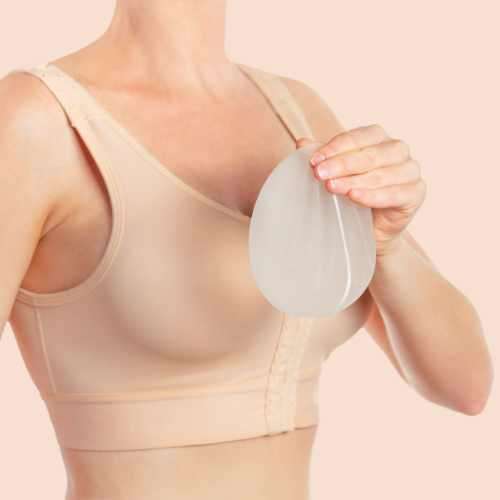
Silicone implants contain a gel that closely mimics the feel of natural breast tissue. They are one of the most popular choices due to their natural appearance and softness.
2. Saline Implants
Saline implants are filled with sterile salt water. They are inserted empty and filled once placed, allowing minor size adjustments during surgery.
3. Gummy Bear Implants
These are highly cohesive silicone gel implants that maintain their shape even if the outer shell breaks. They provide a firmer and more stable structure.
4. Round vs. Teardrop Implants
Round implants create fuller upper breasts, while teardrop (anatomical) implants offer a more natural slope and contour.

Who is a Good Candidate?
You may be a suitable candidate for breast implant surgery if:
You feel your breasts are too small or uneven
You have lost breast volume after pregnancy or weight loss
You want to restore breast shape after surgery or injury
You are physically healthy and have realistic expectations
Your breast development is complete (usually 18+ years)
A consultation with an experienced plastic surgeon is essential to discuss goals, implant size, and safety considerations.
The Breast Implant Procedure
The surgery typically takes 1–2 hours and is performed under general anesthesia.
During the procedure:
The surgeon makes an incision (under the breast, around the nipple, or in the armpit).
The surgeon creates a pocket under the breast tissue or chest muscle.
The surgeon inserts the implant into the pocket.
The surgeon carefully closes the incision with sutures.
Most patients return home the same day.
Recovery and Healing
Patients may experience swelling, tightness, and mild discomfort for a few days after surgery. Most women resume light activities within a week and return to normal routines within 4–6 weeks. Wearing a supportive surgical bra helps reduce swelling and support healing.
Final results become more visible as swelling subsides over several weeks.
Benefits of Breast Implant Surgery
Enhanced breast size and shape
Improved body proportion and symmetry
Restored volume after pregnancy or weight loss
Increased self-confidence
Long-lasting results with proper care
Risks and Considerations
Like any surgical procedure, breast implant surgery carries potential risks such as infection, implant rupture, capsular contracture, or changes in nipple sensation. Choosing a qualified and experienced plastic surgeon significantly reduces these risks.
Final Thoughts
Breast implant surgery is a transformative cosmetic procedure that enhances physical appearance and boosts confidence. If you are considering breast augmentation, consult a board-certified plastic surgeon to discuss your goals and create a personalized treatment plan tailored to your needs.