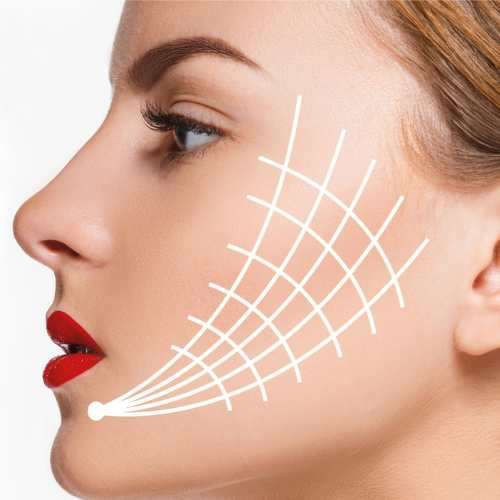
What is an upper body lift?
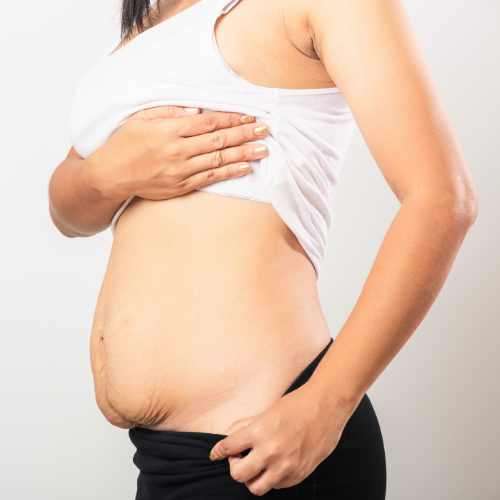
- An upper body lift is a plastic surgery procedure designed to address sagging or excess skin in the upper body, typically focusing on areas such as the chest, back, and arms. It is often sought by individuals who have undergone significant weight loss or those experiencing skin laxity due to aging.
Why get an upper body lift?
- People consider an upper body lift to achieve a more toned and contoured appearance. Common reasons include the desire to remove excess skin and improve the overall shape of the upper body. This procedure can be particularly beneficial for individuals who have lost a substantial amount of weight, as it helps address the resulting sagging skin.
What does an Upper Body Lift include?
- An upper body lift may include several procedures tailored to the individual’s needs. Common components involve:
- Arm Lift (Brachioplasty): Addresses excess skin on the upper arms.
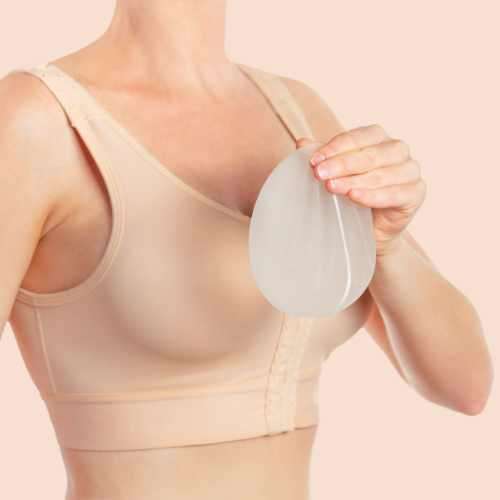
- Breast Lift (Mastopexy): Lifts and reshapes the breasts to a more youthful position.
- Upper Back Lift: Targets sagging skin on the upper back.
- Chest Lift: Addresses loose skin on the chest area.
What should I consider before getting an upper body lift?
- Before undergoing an upper body lift, consider the following:
- Health Status: Ensure you are in good overall health, as underlying medical conditions can affect surgery and recovery.
- Realistic Expectations: Have realistic expectations about the outcomes and potential scarring associated with the procedure.
- Stable Weight: Maintain a stable weight before the surgery to optimize results.
- Consultation: Schedule a consultation with a qualified plastic surgeon to discuss your goals, assess your candidacy, and understand the specific procedures recommended for you.
How do I prepare my body for plastic surgery?
- Preparing your body for plastic surgery involves several steps:
- Quit Smoking: If you smoke, quit several weeks before surgery to improve healing and reduce complications.
- Maintain a Healthy Diet: Eat a well-balanced diet rich in nutrients to support the healing process.
- Stay Hydrated: Ensure you are adequately hydrated before surgery.
- Follow Preoperative Instructions: Adhere to any specific preoperative instructions provided by your surgeon, such as medication adjustments and fasting requirements.
- Arrange Support: Plan for postoperative care and arrange for someone to assist you during the initial recovery period.
What is a 360 Body Lift?
- A 360 Body Lift, also known as a circumferential body lift, is a comprehensive plastic surgery procedure that addresses excess skin and fat around the entire torso. It involves making incisions around the entire circumference of the body to lift and tighten the abdomen, lower back, flanks, and buttocks. This procedure is commonly sought by individuals who have experienced significant weight loss or want to address sagging skin in multiple areas of the body.
How long does it take to recover from a Full-Body Lift?
- The recovery time for a full-body lift can vary depending on factors such as the extent of the surgery, individual healing characteristics, and adherence to postoperative care. Generally, patients may experience initial recovery in the first few weeks, with more strenuous activities gradually being reintroduced over several weeks to months. Full recovery, including the resolution of swelling and scar maturation, may take several months to a year.
What is the recovery time for a Body Lift?
- The recovery time for a body lift, whether it’s a 360 Body Lift or another type, varies among individuals. However, most patients can typically return to light activities within a few weeks and resume more strenuous activities gradually over the following months. Swelling and bruising may persist for some time, and patients are advised to follow their surgeon’s postoperative instructions diligently for optimal healing.
How do you sleep after a Lower Body Lift?
- Sleeping after a lower body lift can be challenging during the initial recovery period. It is often recommended to sleep on your back with your upper body and head elevated. Placing pillows under your knees can also help relieve tension on the incision sites. It’s crucial to follow any specific instructions provided by your surgeon regarding sleeping positions to avoid putting strain on the surgical areas and to promote optimal healing.