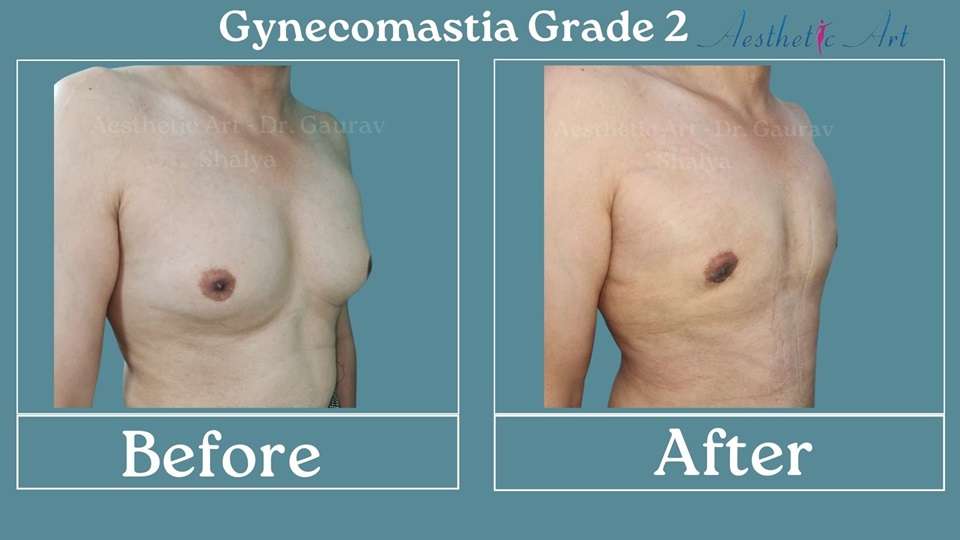
Gynecomastia is a condition in which the breast tissue in men enlarges, giving the appearance of breasts similar to those of women. It is often referred to as “man boobs” or “moobs” colloquially. This condition can cause embarrassment and discomfort for many individuals.
can have various causes, and below we’ll explore them in detail along with discussing how it can be treated.
Gynecomastia Causes
can occur at different ages due to various reasons, such as:
- Newborn babies may develop due to exposure to estrogen from their mother’s womb. Adolescent boys and young adults may also develop gynecomastia during puberty.
- Around the age of 50, men may develop gynecomastia due to obesity.
- Gynecomastia can occur in people of any age.
Any imbalance in the body’s estrogen/testosterone levels can lead to. Sometimes, even when the levels are normal, can occur due to certain factors such as:
- Heredity
- Alcohol
- Medication
- Diseases such as liver disease, kidney disease, lung cancer, testicular cancer, adrenal gland or pituitary gland tumors, certain conditions present at birth (congenital disorders), thyroid disorders, injuries, or trauma, obesity, certain infections, and hormonal imbalances caused by testosterone deficiency.
Gynecomastia is not related to breast cancer; very few men actually develop breast cancer. Gynecomastia is a common condition that affects approximately 35% of men, ranging from ages above 47 to 70.
Around 70% of cases occur during adolescence, and in most cases, it resolves on its own within two years. If it does not resolve within two years, it is advisable to consult a doctor.
Use of certain medicines may also cause gynecomastia, including:
- Steroids: Prednisone or dexamethasone.
- Medicines used to treat ulcers: Such as cimetidine.
- Medicines used to treat epilepsy: Such as phenytoin (Dilantin).
- Digitalis and other heart medicines.
- Chemotherapy drugs: Especially alkylating agents, a family of anticancer drugs that interfere with cell DNA and inhibit cancer cell growth.
- Antiandrogen drugs: Such as flutamide, cyproterone, and spironolactone.
- Antianxiety and antidepressant medicines: Such as diazepam (Valium) and tricyclic antidepressants.

Here are some food items that can contribute to the development of gynecomastia:
- Processed Foods: Processed foods typically contain high calories, sodium, and sugar. They often come packaged in plastic containers, which may contain testosterone-stunting chemicals like polycarbonate or bisphenol A (BPA). Instead, opt for green vegetables and fruits with your meals. Consuming at least half a plate of fruits and vegetables can help maintain balance.
- Soy Products: Edamame, tofu, tempeh, and soy-based dairy substitutes are high-protein alternatives to animal products. However, they can increase estrogen levels in the human body, leading to an increase in gynecomastia.
- Eggs and Dairy Products: Dairy products like paneer and cheese contain high levels of estrogen. While they are good sources of protein and can aid in weight loss, the process of making them involves providing estrogen to cows for milk production and chickens for egg production. This means that consuming them may provide your body with estrogenic compounds. This suggests that along with your food, you are providing your body with estrogenic compounds.
- Beer: Beer can contribute to the appearance of breasts in men. The grains used to make beer are naturally estrogenic. If you’re trying to reduce gynecomastia.
There no Ayurvedic medicine specifically approved for gynecomastia to date. The Food and Drug Administration (FDA) has not approved any medication for this condition yet.
However, lifestyle changes can help prevent the accumulation of fat, which may reduce the appearance of gynecomastia. People with excess weight tend to have more fat around their chest area.
Here are some lifestyle changes you can make:
- Avoid stress.
- Get at least 8 hours of sleep per night.
- Engage in aerobic exercise for at least 150 minutes per week.
- Perform strength training exercises targeting major muscle groups at least twice a week.
What imaging is required?
There is no need for imaging tests to diagnose Gynecomastia.
Check the Body Mass Index (BMI) and manually examine the amount of stubborn fat around the nipple, whether it’s on one side or both. Sometimes it can occur on one side only.
SIX TYPES OF GYNECOMASTIA
PUFFY NIPPLE
TYPE ONE GYNECOMASTIA
Type 1 gynecomastia more commonly seen in individuals around the age of 20. In this condition, the skin around the nipple tends to be inward, while the nipple itself protrudes outward. This can cause discomfort or self-consciousness. Mostly, type 1 should be given a time frame of 2 years to see if it resolves on its own before considering surgery. Surgery can correct it if it does not resolve naturally.
ROUNDED CHEST
TYPE TWO GYNECOMASTIA
Type 2 involves breasts that are slightly enlarged and protrude outward, similar to Type 1. It typically affects individuals in their twenties to thirties. Surgery for Type 2 gynecomastia is considered when other measures like diet and exercise fail to resolve it. The surgery involves making a small incision around the areola and using liposuction to remove the excess tissue. It usually performed under local anesthesia.
SLIGHT BREAST ROLL
TYPE THREE GYNECOMASTIA
Type 3 gynecomastia more commonly found in men over the age of 30. When a man observes Type 2 characteristics, he progresses to Type 3, where there is more mass tissue around the nipples. This can cause discomfort, especially when wearing tight clothing or playing sports shirtless. Consulting the best gynecomastia doctor can lead to surgical treatment for this condition.
MODERATE BREAST ROLL
TYPE FOUR GYNECOMASTIA
Type 4 gynecomastia includes having a spherical shape of the breast. If gynecomastia left untreated initially and no action is taken, it progresses to Stage 4. As one ages, the skin becomes loose, and gynecomastia becomes more prominent, protruding outward. This can also be surgically treated by removing the excess tissue, usually performed under local anesthesia. Dr. Gaurav Shalya known for performing excellent surgeries and can help achieve a masculine chest appearance.
SIGNIFICANT BREAST ROLL
TYPE FIVE GYNECOMASTIA
Type 5 is more common in older men. People who have previously had excess weight and then lost it but still have mass near the breast area are classified as having Type 5 gynecomastia. Due to loose skin, gynecomastia becomes more noticeable. Surgery for this type of gynecomastia may require more time and the decision between local or general anesthesia typically made by the surgeon.
BREAST ROLL
TYPE SIX GYNECOMASTIA
Patients with type six gynecomastia, like those with type five, may be obese or may have lost a significant amount of weight yet still have large, undesired breasts. Comorbidities such as hypertension, diabetes, and sleep apnea may accompany gynecomastia in those who are still overweight. Apart from the defects on the breast, there could be a considerable quantity of flesh drooping and sagging, which makes it difficult to wear anything fitted. With this group, personal style is frequently extinct because there aren’t many clothes that can sufficiently conceal the condition. Individuals may experience anxiety, depression, or both. In this situation, surgery can help to enhance quality of life and boost confidence.
❓ Frequently Asked Questions (FAQs)
1. What exactly is gynecomastia?
Gynecomastia is the enlargement of male breast tissue caused by an imbalance between estrogen and testosterone. It may affect one or both breasts and can occur at any age.
2. What causes gynecomastia?
Common causes include hormonal changes (puberty or aging), certain medications, obesity, liver or thyroid conditions, and some health conditions that affect hormone levels.
3. Is gynecomastia the same as man boobs?
Not always. “Man boobs” is a general term often used for excess fat in the chest. True gynecomastia involves glandular breast tissue, not just fat.
4. Can gynecomastia go away on its own?
In many cases, especially during puberty, gynecomastia may improve or resolve naturally within months. However, persistent cases may require medical or surgical treatment.
5. How is gynecomastia diagnosed?
Diagnosis typically involves a physical exam, medical history review, hormone tests, and sometimes imaging such as ultrasound to differentiate glandular tissue from fat.
6. What are the treatment options for gynecomastia?
Treatment may include lifestyle changes, hormone therapy, or surgery. Gynecomastia surgery (male breast reduction) is the most effective option for long-term improvement in persistent cases.
7. Is gynecomastia surgery painful?
Gynecomastia surgery is performed under anesthesia, so there is no pain during the procedure. Mild discomfort and swelling are common after surgery but are manageable with medication.
8. How long does recovery take after gynecomastia surgery?
Most patients return to normal activities within 7–10 days. Full recovery and final chest contour results may take several weeks to months.
9. Will the gynecomastia come back after surgery?
Recurrence is rare after proper surgical removal of glandular tissue. Maintaining a stable weight and healthy lifestyle helps prevent recurrence.
10. Who is a good candidate for gynecomastia surgery?
Good candidates are physically healthy males with persistent breast enlargement, realistic expectations, and no underlying medical conditions that need separate treatment.
gynecomastia surgery cost in mumbai
Gynecomastia Surgery Cost in Mumbai
In Mumbai, the average cost ranges between:
₹55,000 to ₹1,20,000
Depending on:
Grade
Technology used
Hospital setup
Surgeon experience
Grade-wise Cost in Mumbai
| Grade | Cost Range |
|---|---|
| Grade 1 | ₹55,000 – ₹65,000 |
| Grade 2 | ₹65,000 – ₹85,000 |
| Grade 3 | ₹85,000 – ₹1,20,000 |
Gynecomastia Surgery Cost in India (City-wise)
Here is a comparison across major metro cities:
| City | Cost Range |
|---|---|
| Mumbai | ₹55K – ₹1.2L |
| Delhi | ₹60K – ₹1.3L |
| Chennai | ₹50K – ₹1.1L |
| Hyderabad | ₹55K – ₹1.2L |
Mumbai is slightly premium due to:
✔ Advanced cosmetic clinics
✔ Experienced plastic surgeons
✔ Better surgical technology
What Affects Gynecomastia Surgery Cost?
Main pricing factors include:
1. Grade of Gynecomastia
Higher grade = more surgical work
2. Technique Used
Traditional surgery
Liposuction assisted
Power-assisted liposuction
Ultrasound-based contouring
3. Hospital vs Clinic Setup
Hospital surgery may cost more due to:
✔ OT charges
✔ Stay charges
✔ Nursing care
4. Surgeon’s Expertise
Highly experienced cosmetic surgeons may charge more but offer:
✔ Minimal scars
✔ Natural chest shape
✔ Lower complication risk
Is Grade 3 Surgery More Expensive?
Yes.
Because it may require:
✔ Gland removal
✔ Fat removal
✔ Skin tightening
Hence:
👉 Grade 3 surgery cost in Mumbai usually falls between
₹85,000 – ₹1,20,000
Is Gynecomastia Surgery Permanent?
Yes.
Once gland tissue is removed:
✔ Results are permanent
✔ Chest becomes flat
✔ Masculine contour restored
Maintaining:
✔ Stable weight
✔ Healthy lifestyle
helps retain results.
Recovery After Surgery
Typical recovery timeline:
2–3 days – Resume routine work
7 days – Back to office
3 weeks – Light exercise
4–6 weeks – Full gym
Final Thoughts
If you are considering treatment, understanding the cost of gynecomastia surgery in Mumbai & India helps in making an informed decision.
Especially for Grade 3 gynecomastia, early correction provides:
✔ Better contour
✔ Less skin sagging
✔ Faster recovery
Quick Cost Summary
| Location | Average Cost |
|---|---|
| Mumbai | ₹55K – ₹1.2L |
| India Average | ₹50K – ₹1.3L |
| Grade 3 Surgery | ₹85K – ₹1.2L |